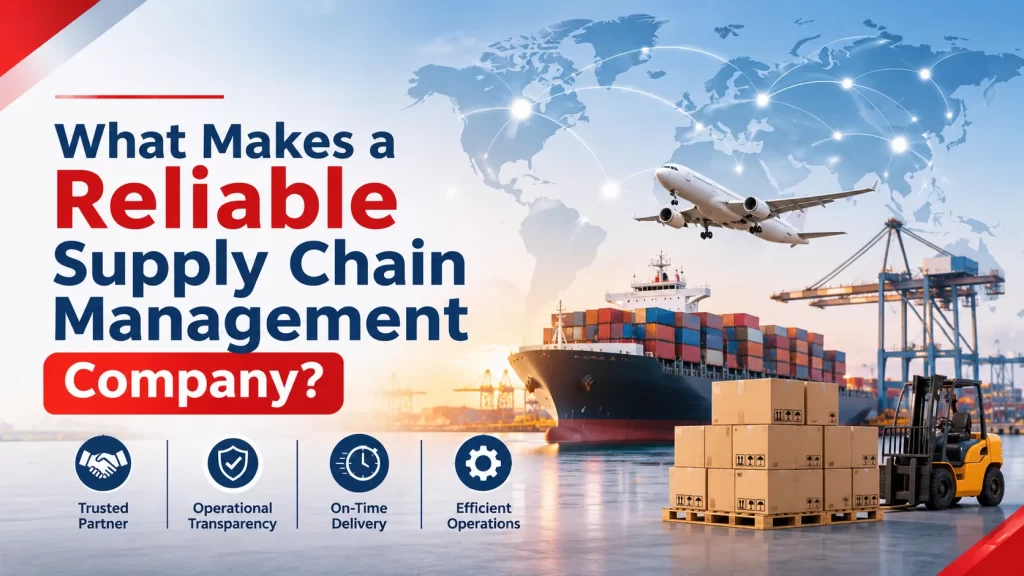
What should you expect from a supply chain management company beyond supplier contacts and delivery arrangements? For industrial businesses, reliability also means understanding the project, coordinating vendors, following up on procurement, and keeping teams in the loop. These things decide how smoothly the supply chain side of a project actually runs.
What Reliability Means in Supply Chain Management
A reliable supply chain management company does more than connect you with suppliers. It helps coordinate everything that brings materials, equipment, and services into a project.
That means understanding requirements, chasing vendors, tracking procurement, and speaking up when something is a miss. Clear responsibilities are also important. Everyone should know what the company is managing, what the client has to provide, and how problems will be handled.
1. Understanding the Project’s Supply Chain Requirements
Good supply chain support starts with understanding the project. Materials, equipment, specifications, delivery locations, and timelines differ from one industrial project to the next.
Before you pick a company, check whether it takes the time to learn these details. A partner who knows what the project needs can plan procurement around the right priorities.
It also helps to know where you need support. Some projects need help with purchasing, vendor coordination, inspection, expediting, or transportation. Others need only one or two of these. Work that out early, and it’s much easier to judge whether a company’s services fit.
2. Strong Procurement Planning
Procurement is more than placing orders. Purchasing has to line up with project specifications, schedules, and the people who will use the materials or equipment.
A reliable partner should be able to explain how it will manage procurement requirements, talk to vendors, and follow up on outstanding items. It should also tell you how changes to specifications or schedules get communicated.
Procurement consultancy services can add support when a project needs help coordinating purchases or managing procurement requirements. Whatever the setup, the company’s role should be clear from day one.
3. A Clear Vendor Evaluation Process
Your suppliers affect the quality, availability, and delivery of materials. So a supply chain management company should have a clear way of checking vendors against the project’s requirements.
That might include vendor registration, reviewing relevant information, and judging whether a vendor can meet the stated requirements. The process should fit the project, not just pull from a general supplier list.
Ask how vendors are assessed and what information goes into that decision. Your team should be able to see why a vendor is being considered and whether it suits the work.
4. Effective Vendor Management
Choosing a vendor is only part of the job. Once procurement is underway, communication and follow-up take over.
Vendor management services can include coordinating requirements, following up on commitments, and tracking outstanding information or actions. When an issue comes up, the company should flag it to the right people and help coordinate next steps within its agreed scope.
That doesn’t mean every delay can be avoided. It means your team can see what’s happening and who is responsible for responding.
5. Inspection and Quality Coordination
Suppliers may be required to provide items to certain standards for industrial projects. Inspection and quality control help ensure that items are of the right standard.
- What kind of inspection do they offer?
- How is this information relayed back to you?
- Who reviews the results?
- Who will correct any differences?
- What happens if the item isn’t to the right standard?
Depending on your agreement, this may vary. Do they offer inspection as a service? Or will someone else carry out the inspection?
6. Expediting and Delivery Coordination
Monitor the procurement schedules, especially where materials or equipment are tied to planned project activities. Expediting helps track order progress and brings outstanding items to the right people’s attention.
Delivery coordination is the other half. Depending on the agreed scope, it may cover transportation arrangements and passing delivery details on to the project team.
When you assess a company, ask how it follows up on procurement and delivery, and how it communicates changes that could affect the schedule.
7. Clear Communication and Reporting
A reliable supply chain partner will make it easy to understand the status of your procurement. Regular updates will provide the following information: What work has been done, what information is due, when it will be delivered, and any issues to be addressed.
Agree at the beginning who will be providing updates, how frequently, and who they will need to contact to make a decision. This should provide the team with useful information. Ensuring clear communication within the project means you will have less confusion around roles.
8. A Defined Scope of Services
Supply chain management services can cover different activities; therefore, it is important to know precisely what services the company will provide.
You want to understand if they will be handling procurement, vendor management, inspections, expediting, transportation, or any other services. Ensure you understand what will remain the client’s responsibility or the responsibility of other project partners.
A well-defined scope prevents gaps and duplicated work. Both sides also know what services are being provided and what they’re meant to deliver.
9. Flexibility When Project Requirements Change
Requirements on industrial projects don’t always stay put. Specifications get revised, schedules shift, and a procurement priority may suddenly need attention.
A reliable company should be able to explain the impact of a change and coordinate next steps with the right parties. How much it can do depends on the agreed scope and the decisions the client needs to make.
When you’re discussing a partnership, ask how changes are documented, communicated, and handled. Their answer will show whether their way of working suits your project.
10. Relevant Industrial Project Experience
Experience is useful when it relates to the work you need done. A company that has done similar industrial procurement or coordination work before will likely be more familiar with the requirements and challenges.
Look at the services it has provided and see whether they match your project. At Grigford, we help industrial businesses with procurement, vendor coordination, inspection, expediting, and related project support. The right scope depends on each project’s requirements.
Rather than looking for a long list of services, ask the company how its experience and services relate to your particular needs.
